Meet the Maker: Drying Botanicals in Honey Brook
How Maria Zarate hang-dries her herbs and dries her citrus for Sage & Spice simmer pots, where her ingredients come from, and what a batch day really looks like.
By Maria Zarate · 2 min read
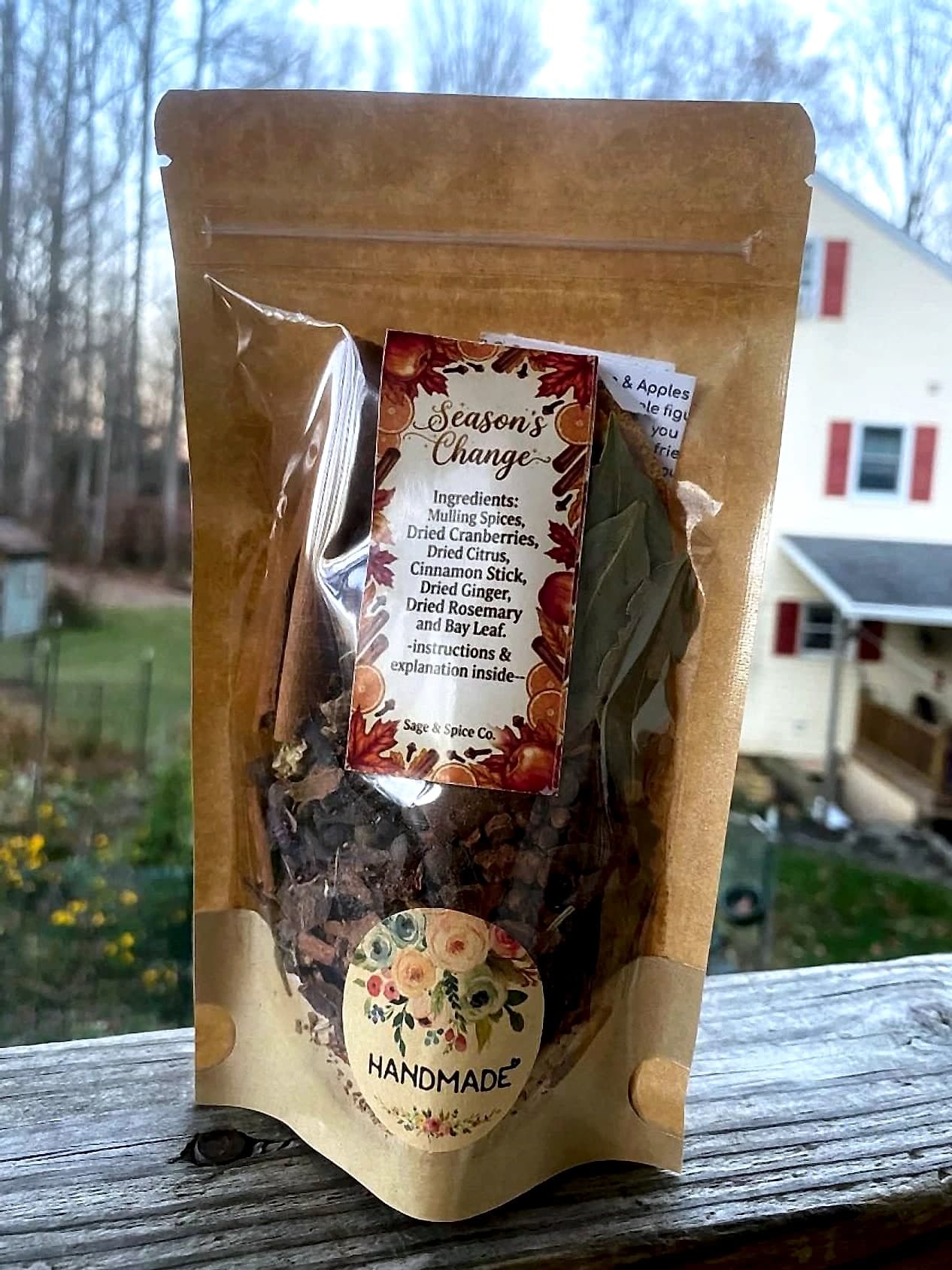
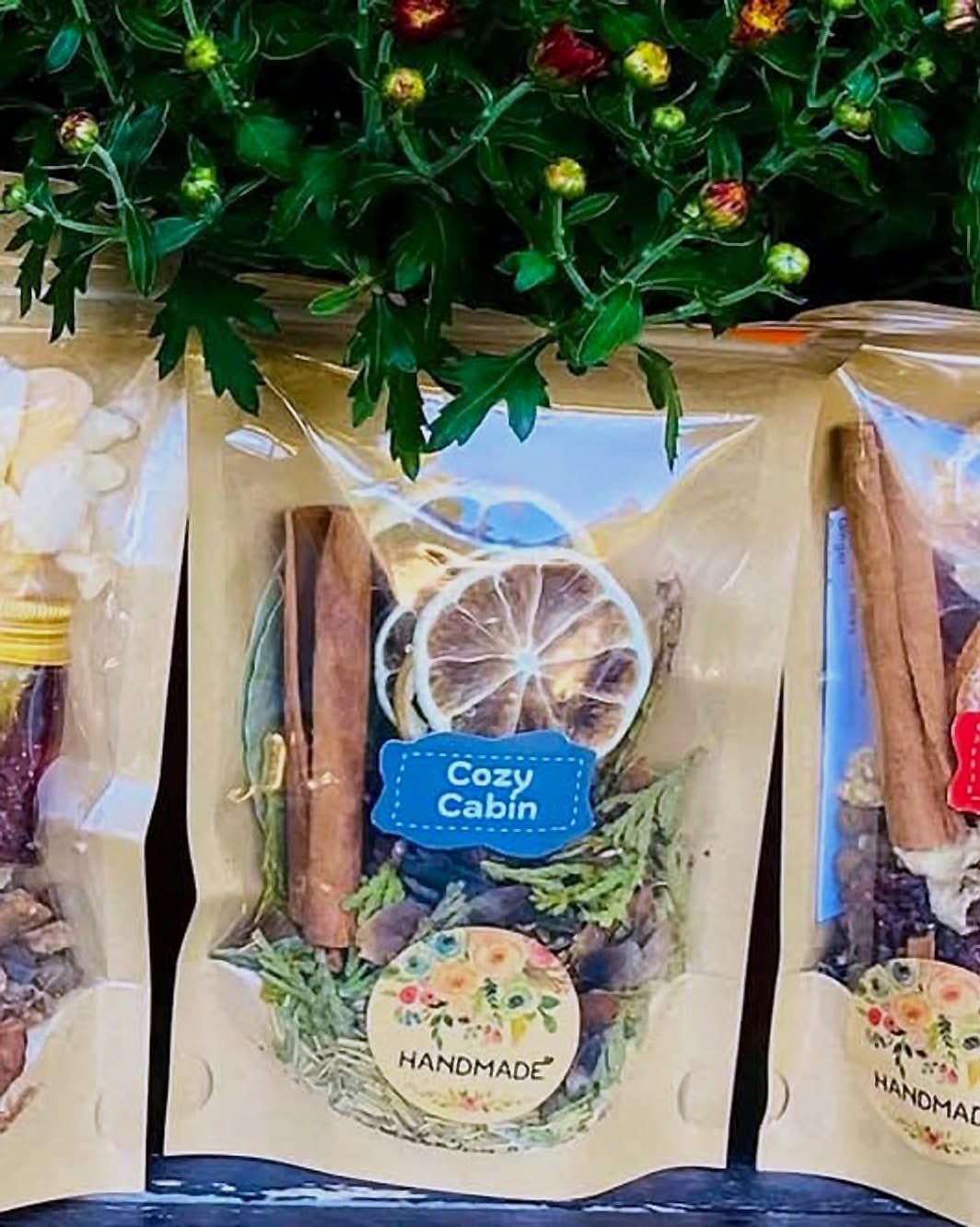
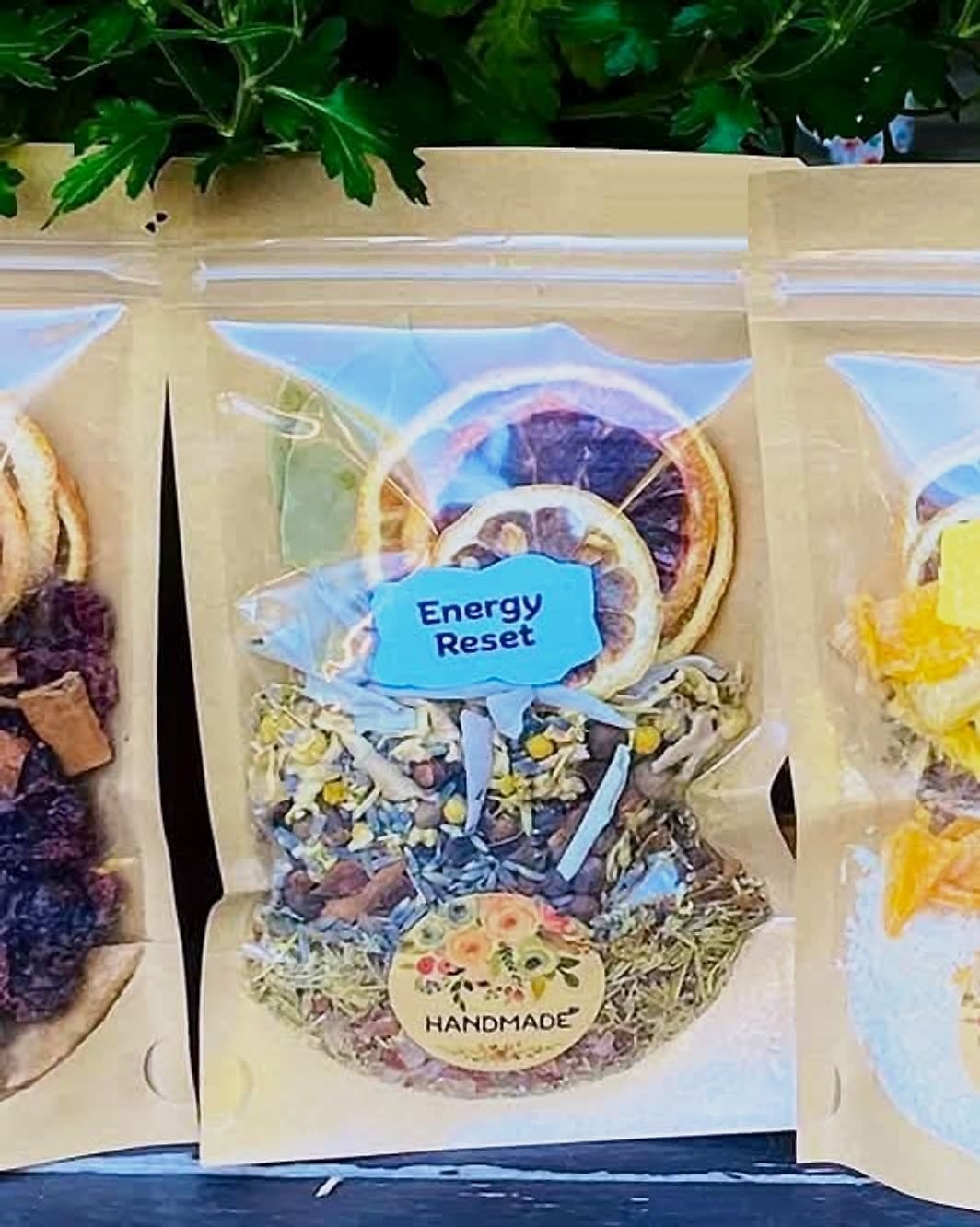
Every Sage & Spice simmer pot starts in Honey Brook, Pennsylvania, with Maria Zarate. She dries her citrus and herbs, blends every bag, and puts on every label by hand. Here's a look at how it comes together.
How Maria dries her botanicals
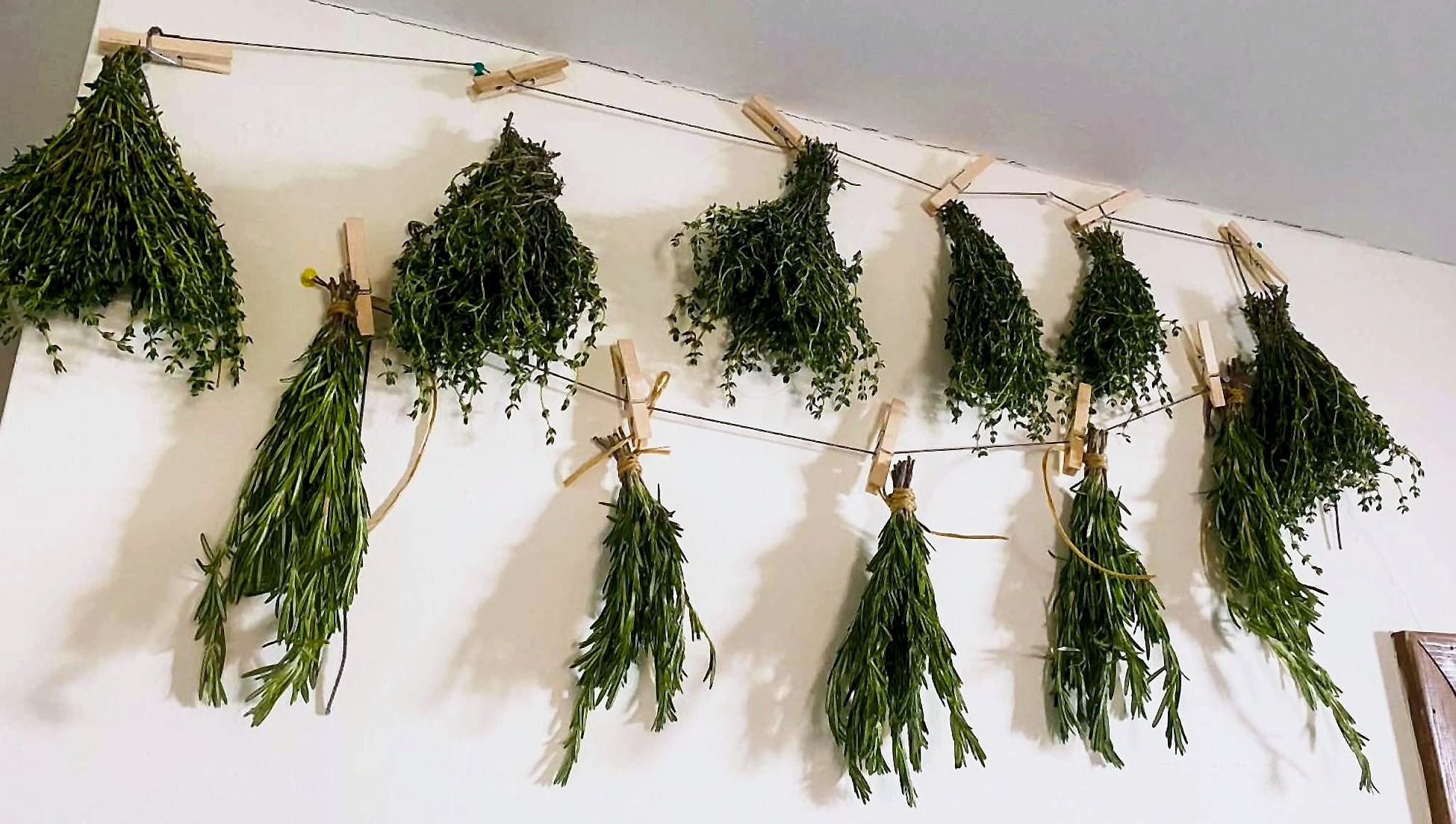
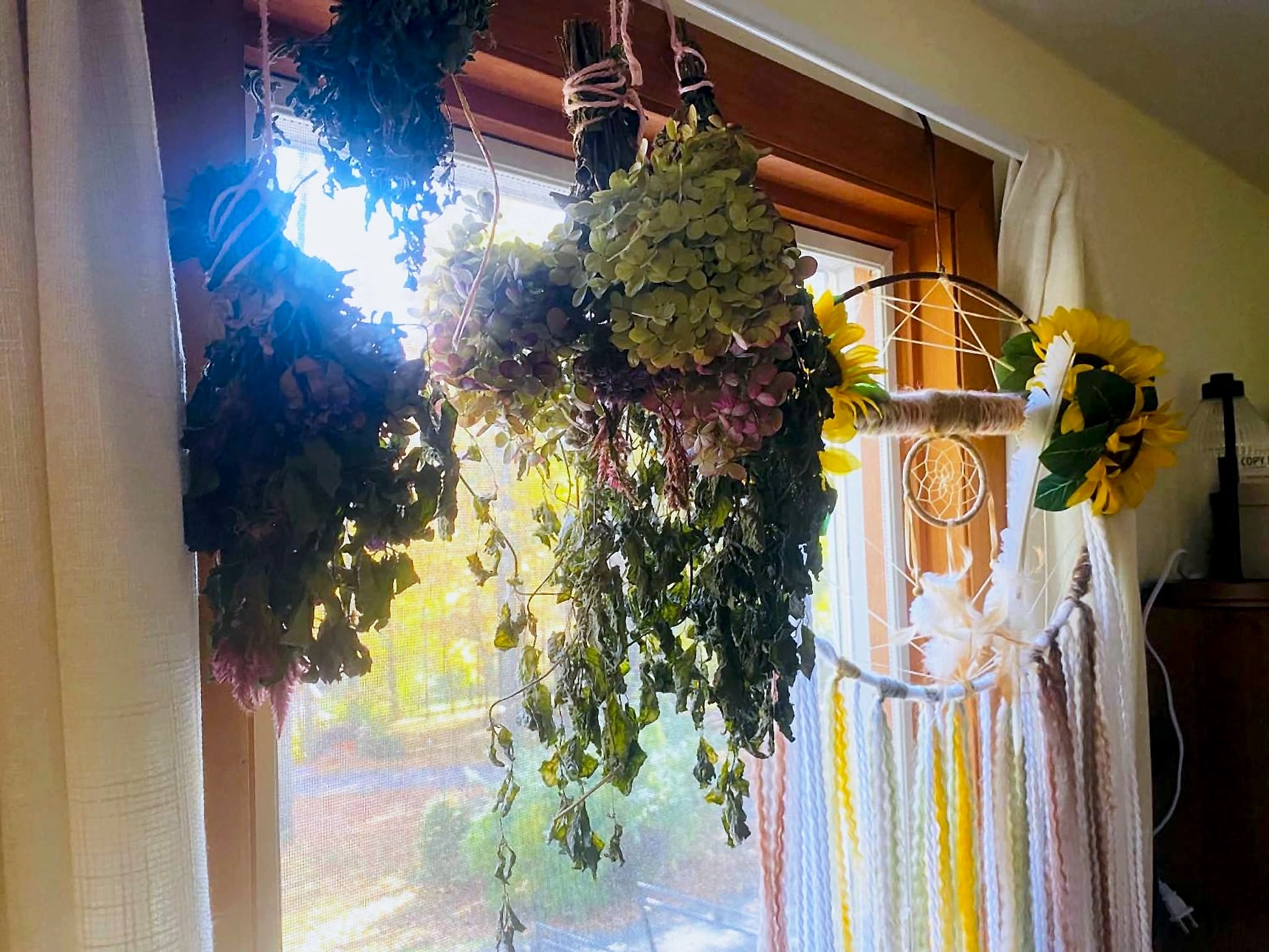
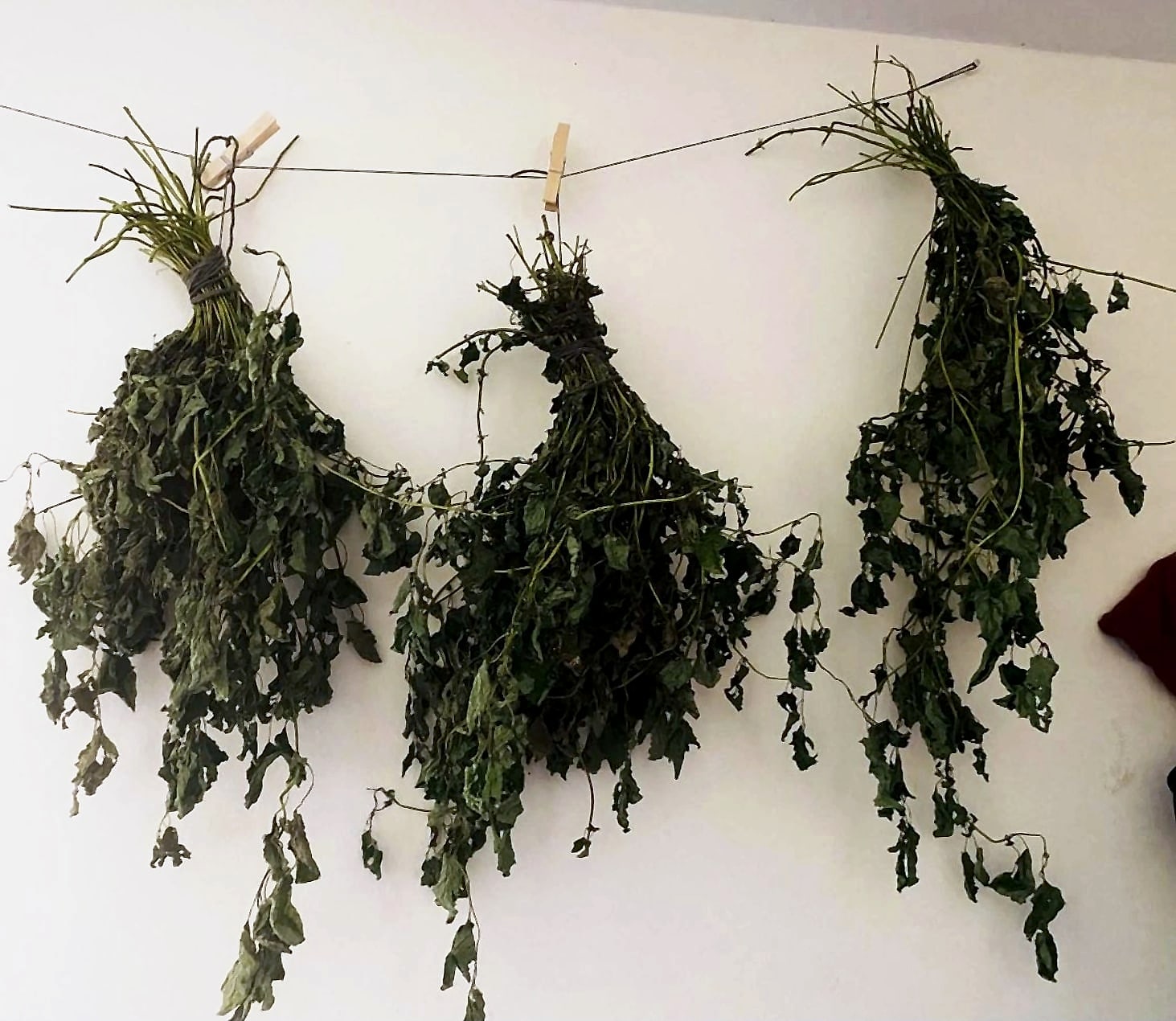
Many of Maria's herbs and flowers are hang-dried at home. Rosemary and thyme are tied into small bundles and clipped to a line along the wall, and bunches of flowers and herbs hang in the windows.
For other ingredients, Maria uses a dehydrator. She keeps her exact method to herself, since it took a lot of trial and error to get right. What she will share is that it's simple: the dehydrator has a set temperature, and some ingredients take anywhere from 12 to 24 hours.
The hard part is the timing. The goal is to hit it just right, so the scent stays in.
Where the ingredients come from
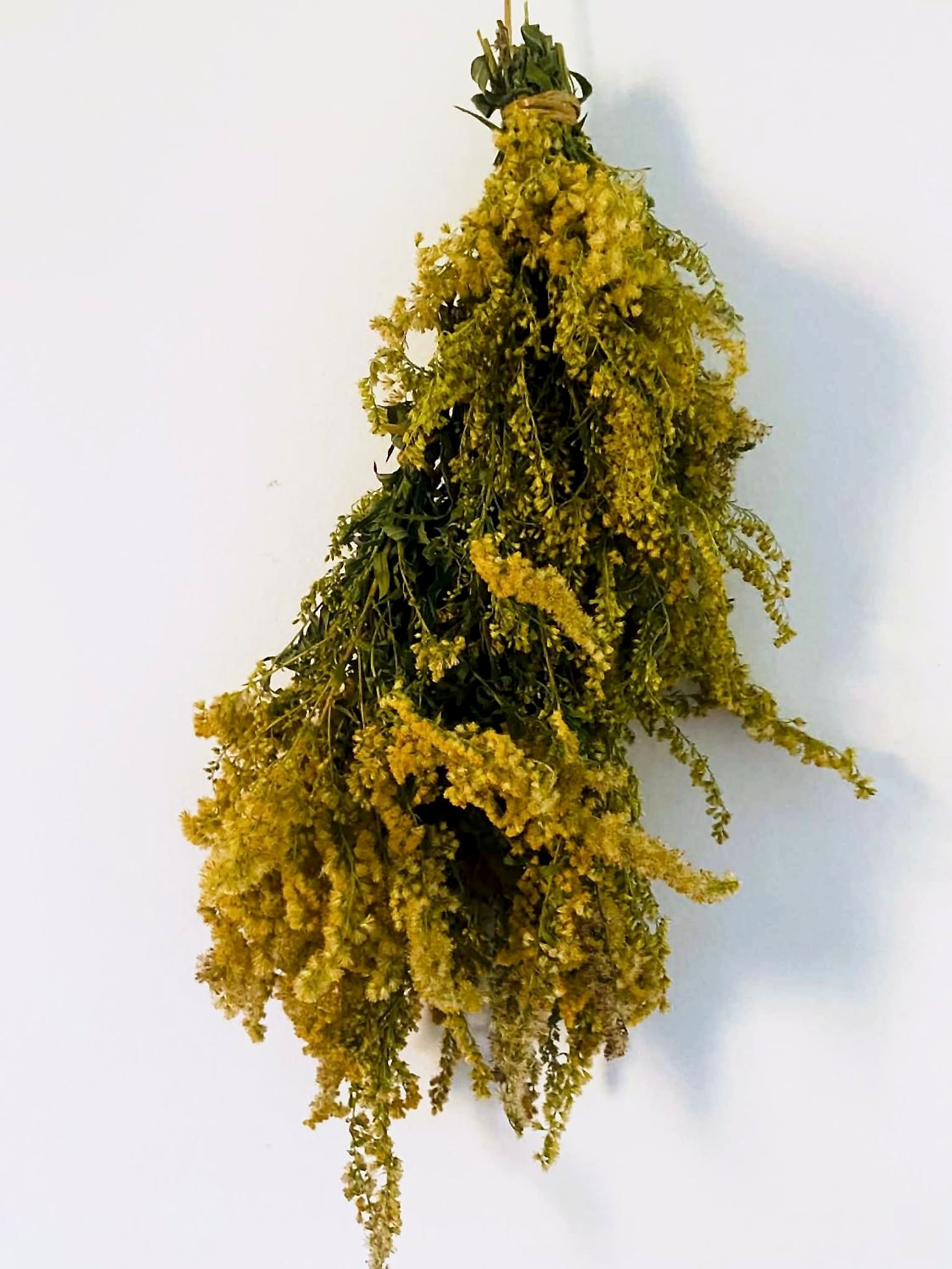
Maria sources her herbs and botanicals from only three places:
- Her own garden and property in Honey Brook.
- Her neighbor's garden and property. Maria calls them amazing and generous neighbors.
- The local Amish Herb Nook.
Listing where every single ingredient comes from would take a very long time. Some things simply can't be grown here, though: cinnamon, star anise, allspice, and clove come from warmer parts of the world, so Maria carefully sources those.
What a batch day looks like
In Maria's words: chaos. She'd be lying if she said it was simple and easy.
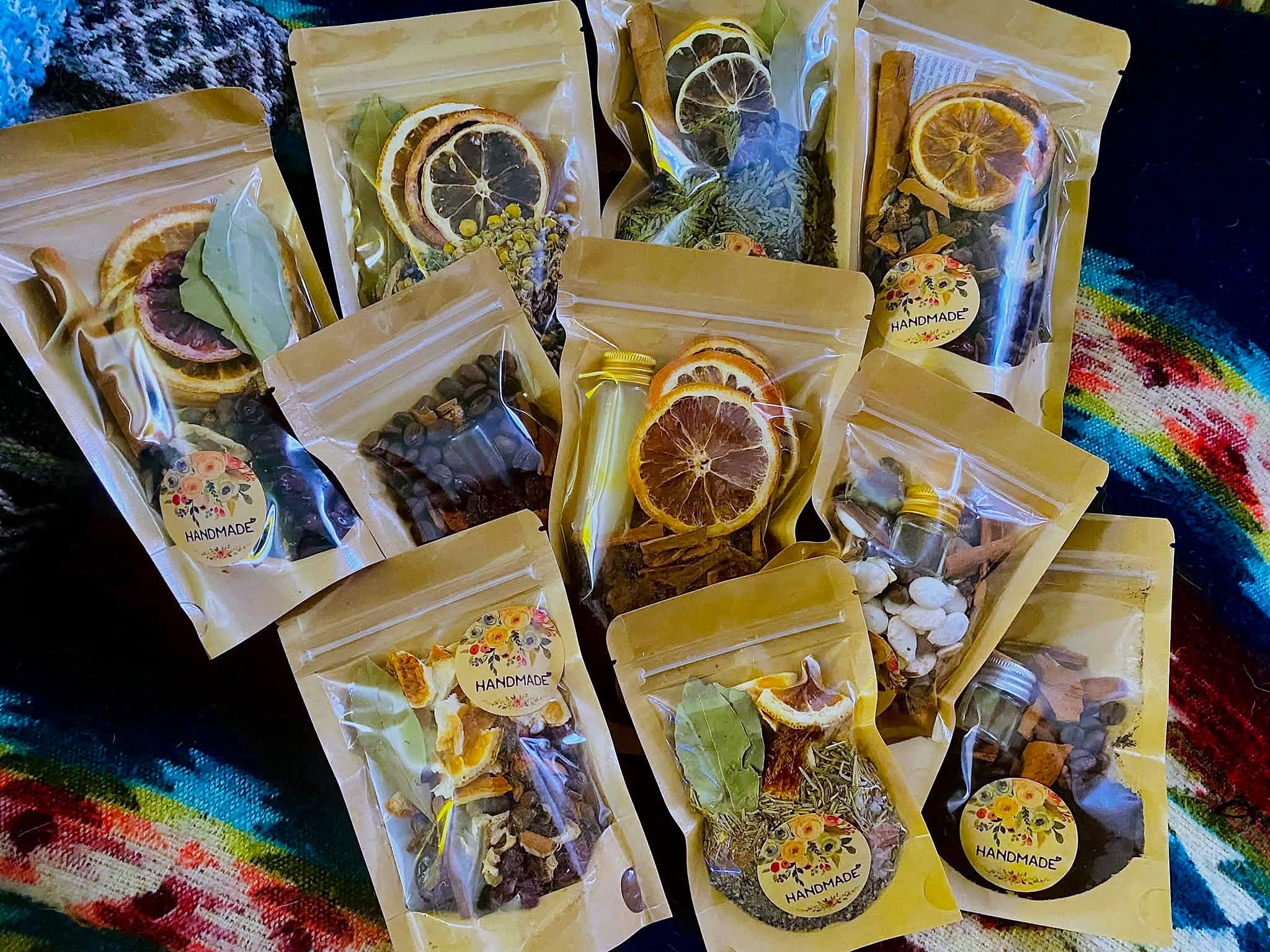
A batch day means designing and printing the labels, then putting one on every single bag by hand. It means building the blends, mixing and weighing every ingredient for every bag, and counting everything ten times over. Somewhere in there she has to remember to eat and drink her coffee.
It's a chaotic day, but she wouldn't have it any other way. She loves her business and she loves what she does.
Why she loves to teach
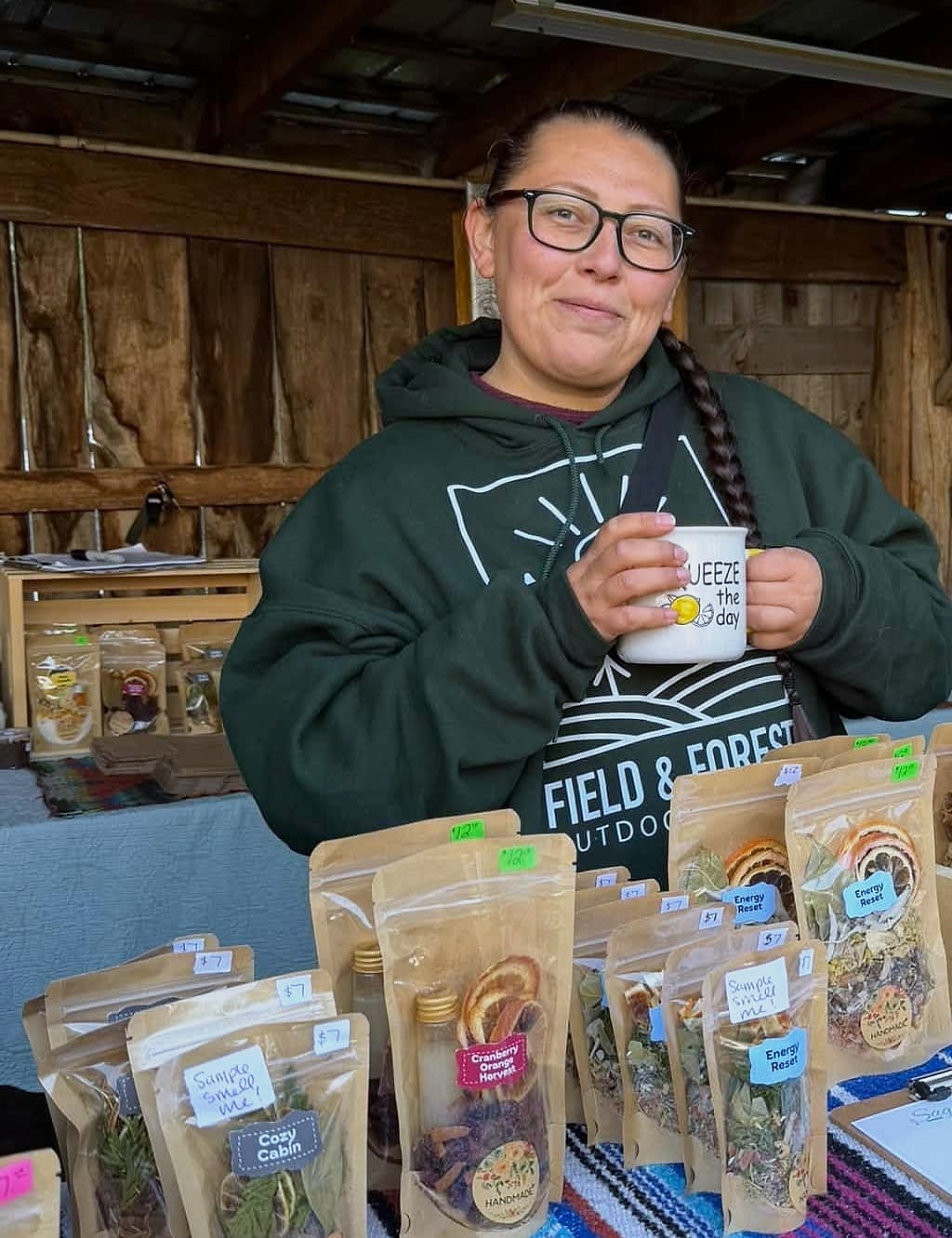
Maria isn't shy about how simmer pots work. She loves to educate and teach, and it's how she gets to know the people who buy from her. It's a big part of why customers keep coming back.
You can meet her at a market, or at a workshop or Simmer Bar, where she teaches people to blend their own simmer pot to take home. Or read more about her story on the about page.
Questions
How are the oranges and herbs dried?
Two ways. Herbs and flowers are bundled and hung to dry around Maria's home, and she also uses a dehydrator with a set temperature, where some ingredients take anywhere from 12 to 24 hours. The goal is to hit the perfect timing so the scent stays in.
Where do the ingredients come from?
Maria's herbs and botanicals come from only three places. Her own garden and property, her neighbor's garden and property, and the local Amish Herb Nook. Spices like cinnamon, star anise, allspice, and clove can't be grown in Pennsylvania, so she carefully sources those.
Who makes the simmer pots?
Maria does, by hand. She mixes and weighs every bag, and she designs, prints, and puts on every label herself.